
Leicester experts involved in mission to fill gap in Solar System science
A leading Leicester researcher will give a free talk on an exciting new space mission which will use a cutting-edge x-ray telescope developed in the city.
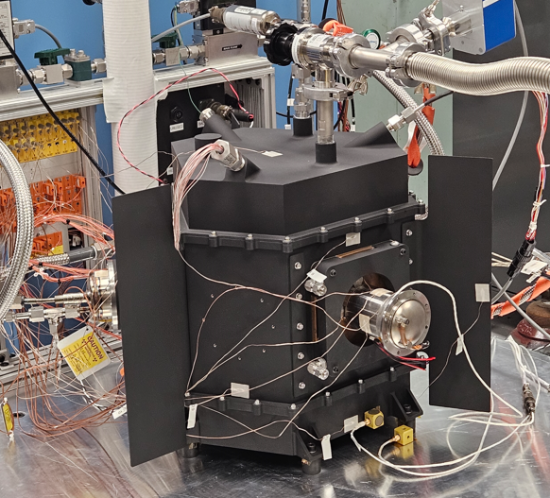
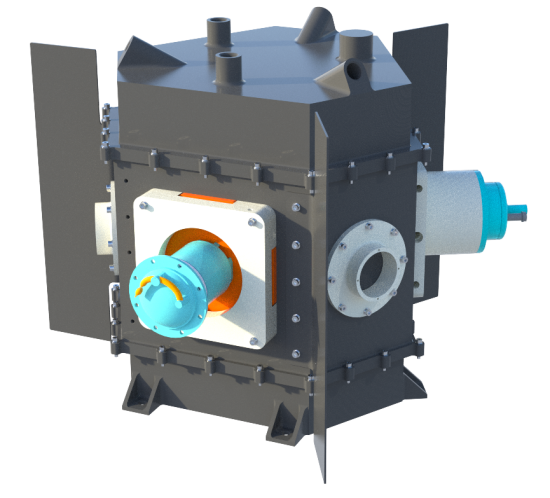
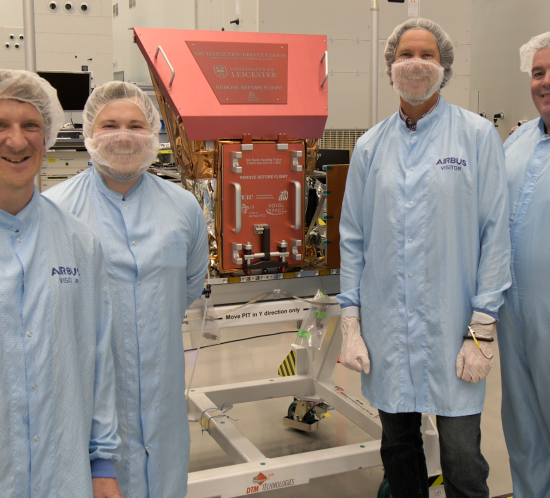
Work on building a cutting-edge x-ray telescope has been completed and the final instrument handed over, to be integrated into a spacecraft that will make new insights into the solar winds that bombard our planet’s magnetosphere.
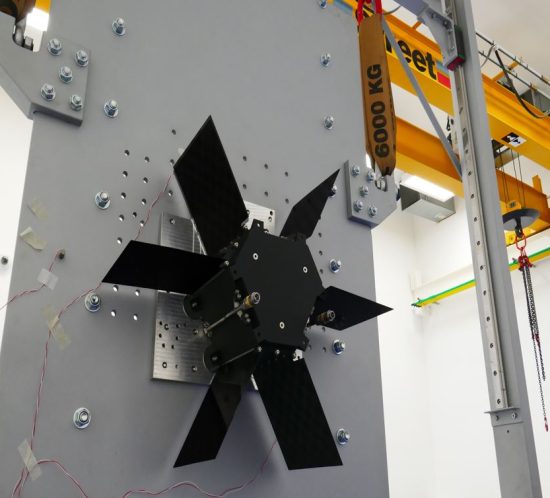
A cutting-edge ‘space battery’ has been subjected to extreme vibrations to test its resilience for the harsh environment of a rocket launch – and passed with flying colours.
Using the James Webb Space Telescope, scientists led by the University of Leicester observed the region above Jupiter’s iconic Great Red Spot to discover a variety of previously unseen features. The region, previously believed to be unremarkable in nature, hosts a variety of intricate structures
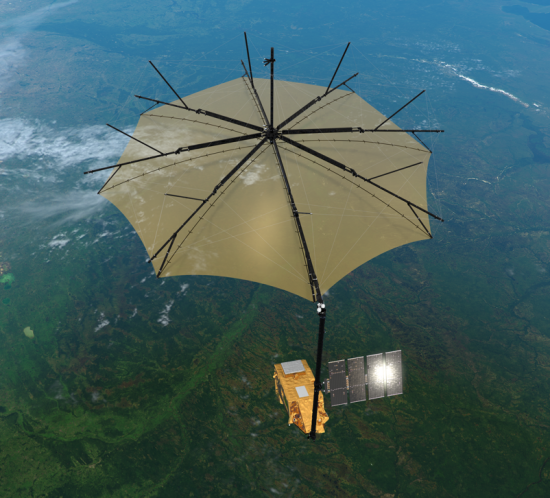
EarthCARE will revolutionise our understanding of how clouds and aerosol particles affect weather and climate, helping to resolve disagreements between projections of future climate.
TWI is a membership-driven organisation which helps firms design, create and operate products by providing them with expert advice and safety assurance related to engineering, materials and joining technologies.
The first images taken by an explosion-hunting space telescope that was built with the help of University of Leicester scientists have been released.
Wading through the wealth of data from ESA’s Gaia mission, a team of scientists including astronomers from the University of Leicester have uncovered a ‘sleeping giant’: a large black hole, with a mass of nearly 33 times the mass of the Sun, hiding in the
Two research groups from the University of Leicester have been boosted by support from the UK Space Agency to develop new technologies to power future space missions and to monitor carbon dioxide levels by satellite.
A team of world-class engineers from Leicester are involved in an exciting new project to develop systems that will power unmanned lunar rovers working at the southernmost point on the Moon.